
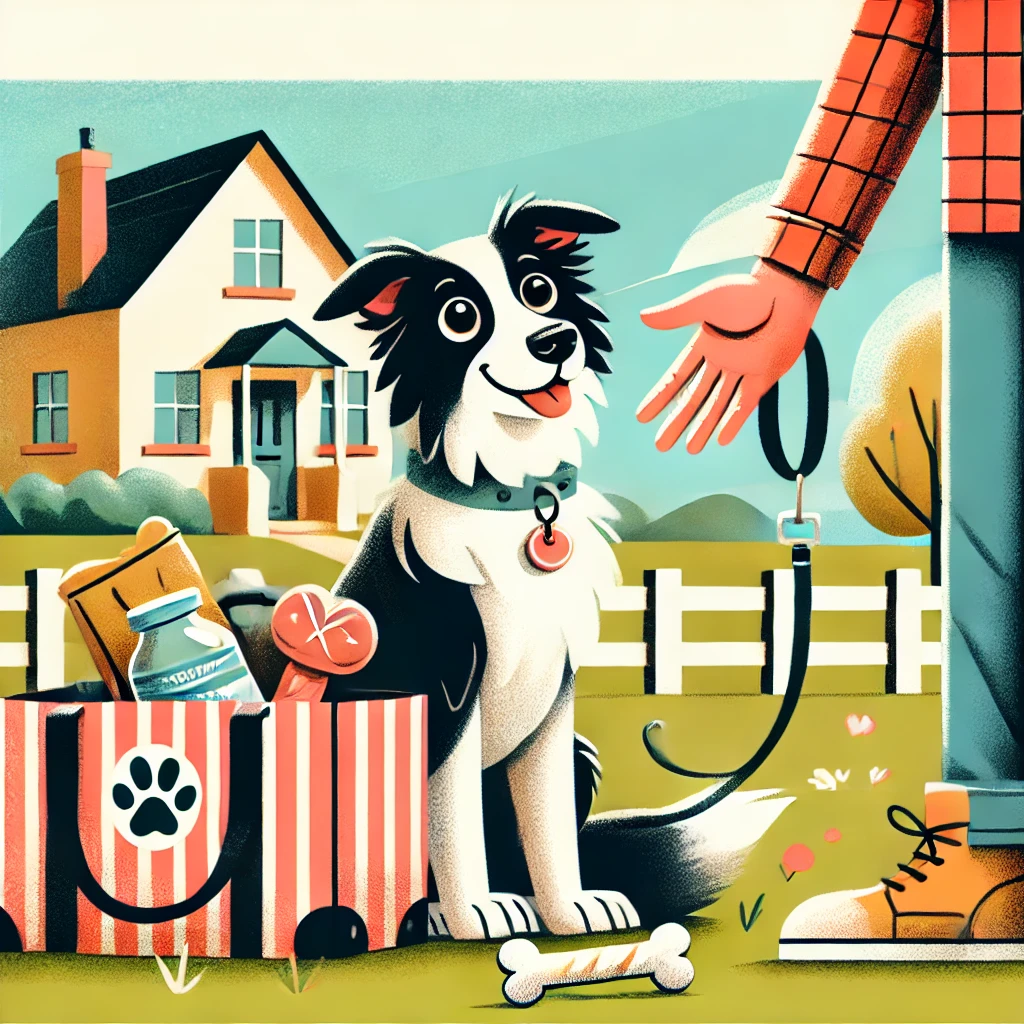
Adopting a rescue dog/pet is a transformative experience that can enrich your life. Here are some tips when getting a rescue dog. Prepare for the challenges and rewards of bringing a rescue dog into your home. Here’s how to prepare and what to expect when setting up your new furry friend for success.
Remember that not all dogs/pets are the same and certainly not rescue dogs/pets. They can differ from breed to breed or even animal to animal. They’re afraid and want a better home; hopefully, you can be the one to gift that to them.
1. Initial Adjustment Period: There is always an adjustment period when you first bring your rescue dog home.
Their Shyness or Fear:For some, new adoption feelings can accompany long with shyness or fear. Allow time and space for acclimatisation.
Exploring:Your dog may spend the first few days sniffing and exploring their environment; therefore, they will learn about their new home and environment.
Establishing Trust: Trust is not built overnight; interact delicately, and let your dog approach you when they feel like it.
2. Behavioural Challenges: Rescue dogs frequently arrive with established habits due to their former lives.
Needs House Training: Rescue dogs will most likely never be completely house-trained. Teach them the rules; however, ensure you are being persistent and patient.
Separation Anxiety: Rescue dogs have difficulty being left alone. Make sure to use gradual desensitisation and a safe space.
Fear-Based Behaviours: Previous trauma can manifest as fear around certain sounds, things, or individuals. Avoiding pressure interactions and preferring positive encouragement helps to build confidence; meanwhile, reminding new people to be respectful and gentle.
3. Testing, Health, and Medical Considerations: Rescue groups typically offer basic medical care, but it’s critical to follow up:
Veterinary Check:Take your dog to a veterinarian for a full examination and make sure their vaccines are up to date.
Parasite Prevention:Sickness can be caused by fleas, ticks, and heartworms.
Getting Started: Ask the shelter or rescue group for any medical records they may have; therefore, you know there’s no issue(s) you’re unaware of.
Our advice would be to take the dog to the vet for a full check-up to be safe
4. Establishing a Routine: A predictable schedule makes your rescue dog feel safe.
Feeding Schedule: Try feeding the dog at the same time every day.
Exercise:Regular walks and play sessions are great for energy burnout and mental health; ensure to remember that the doggos could get frightened in public.
Training:Combine little and upbeat training sessions to set up the rules and teach some primary tricks. This manages discipline and ensures your pet listens to you, which is crucial when they feel scared and need your guidance and help.
5. Socialisation and Interaction: Start slowly introducing your rescue dog to different situations.
Meeting People:Let your dog approach new people at his or her speed. Reward calm, friendly behaviour. Remember that for the best outcome, be beside your dog closely and let them meet the person before the person meets them. Any sudden movements will possibly scare them.
Other Pets: If you have other pets, introduce them gradually in neutral territory to avoid territorial conflicts.
Outdoor Adventures: Try taking your dog out in varied environments, such as parks or quiet streets, and observe their comfort level (ensuring they are not exposed for too long as their anxiety and stress levels could rise and the discipline will lessen).
6. Gaining Your Dog’s Trust: Trust-building is essential in forming a strong bond with your rescue dog.
Patience: Do not punish errors or push for engagement. Let your dog acclimate in their own time.
Consistency:Use the same commands, tone of voice, and routines.
7. Support and Resources: If you run into difficulties, there are resources to assist:
Training Classes: You can opt for group or one-to-one classes with a trainer.
Behaviourists: If the problems are more complex, contact an animal behaviourist.
Support Groups:Take part in online or local support groups for rescue dog owners for advice and encouragement.
8. Benefits of Getting a Rescue Dog: Getting a rescue dog takes time and work, but the benefits are endless.
Unconditional Love: Rescue dogs often develop a strong attachment to their adopters, exhibiting unconditional loyalty and love. They will love and trust you and be forever grateful that you are the ones(s) that took them out of that situation.
Sense of Purpose: It’s rewarding to know you are giving a dog a second (third or fourth, etc.) chance!
Unique Personality: Every rescue dog has some uniqueness, which brings character to your home.
Final Thoughts: Adopting a rescue dog is a journey of love, patience, and discovery. By learning about their needs and offering a secure, supportive environment in which they can thrive, your new companion will flourish. In return, you will have a loyal friend and the satisfaction of knowing you have made a difference in their lives. You will evolve with patience and enjoy the journey of giving a rescue dog a forever home; thereupon, they will be forever grateful.

This is Sparrow; we call him Spy-Dog. Sparrow was an abandoned pup when we found him and rescued him. He was partially blind in one eye and had several skin conditions, including rusted metal attached to him. With a lot of love and care, he is now a happy, fun-filled dog. He is grateful that we saved him, and we hope that our advice has helped you with your rescue dog/pet or has inspired you to get one, thus leading you to a hopeful and happy dog.
Pooch Scoopers is your number one dog poop-scooping service.